55+ Living
Should I rent in a 55+ community first?
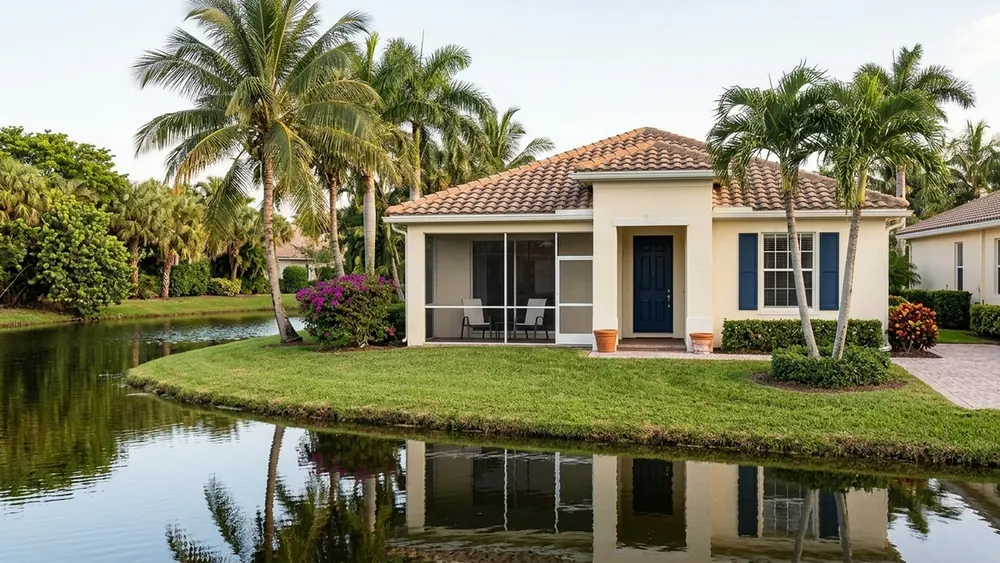
Renting in a 55+ community first can be a sensible step if you want to live with the rules, routines and layout before buying. Whether it is possible depends on the association’s leasing rules, so confirm those before you plan around it.
On this page
The short answer on renting first
Renting in a 55+ community first can be a sensible step if you are unsure about the community, the building or the way the rules fit your routine. It lets you live with the association’s rules, the layout of a unit and the rhythm of a normal week before you commit to buying. Whether it is possible depends on the association, because each association sets its own leasing rules. Confirm those first, then decide whether renting first fits your plans.
This matters because buying in a 55+ community means accepting a set of governing documents along with the unit. Rules on guests, pets, parking and leasing shape daily life, and they can differ between buildings and sections in the same community. A rental period gives you time to see how those rules work in practice for you, rather than only reading about them, so the decision to buy rests on experience.
Renting first is not the right answer for everyone. If you already know the community, have read the documents and are confident the rules fit, buying directly may make more sense. The point is to choose on purpose. Weigh what you would learn from renting against the effort of moving twice, and decide which matters more for your situation in Boca Raton.
Why the association decides first
The first question is not whether you want to rent. It is whether the association allows owners to lease units, and on what terms. Some associations limit leasing, require approval for each tenant or set rules on how leasing works. Those rules are set by the association and its governing documents, so ask the association directly for the building and section you are considering.
Age requirements matter here too. Ask the association what age requirements apply to tenants and occupants, and how it confirms them. A qualified legal source can help you understand what those requirements mean for your situation. Do not rely on a listing description or a secondhand answer for any of this, because the association is the only source that can confirm how its rules apply.
Before you plan a rental in a 55+ community, ask the association how leasing works. Once that answer is clear, everything else about renting first becomes much easier to plan.
What a rental period can teach you
A rental period lets you test the things a tour cannot show. You learn how the unit feels across different times of day, how the parking and guest arrangements work for your visitors and how the association’s rules fit the way you actually live. Small details that seemed minor on paper become clear quickly once you are living with them every day.
It also lets you learn the building itself. You see how the association communicates, how maintenance requests are handled and how shared spaces are cared for. Those observations are worth writing down as you go. If you later decide to buy, your notes turn into a sharper list of questions for the association and a clearer sense of which building and section you would choose.
Renting first can also help with the bigger question of where to settle. If you are deciding between Boca Raton and a nearby option such as Delray Beach, or between full time living and a seasonal stay, a rental gives you time to compare without the commitment of a purchase. You decide based on your own experience rather than a weekend of tours.
The tradeoffs to weigh honestly
Renting first means moving twice, once into the rental and again into the home you buy. That is extra packing, extra paperwork and extra coordination, and it is worth planning for honestly. If you are selling a home elsewhere, think about where your belongings will go in between and how the timing of your sale fits a rental period. A lender can help you think through financing timing.
There is also the question of availability. The unit you rent may not be the unit you eventually buy, and the right unit for purchase may come up at a different time. That is fine, since the goal of renting is to learn the community, not to secure one unit. Keep your expectations focused on what you will learn, and avoid treating the rental as a guarantee of anything that follows.
Questions to ask before you sign a lease
If the association allows leasing and renting first fits your plans, ask a few questions before you sign. The association can answer the rules questions, and a qualified legal source can review the lease itself. Write down each answer and who gave it, so you can refer back later. These are the questions most renters find worth asking first.
- Whether the association must approve tenants, and what that approval process involves
- What age requirements apply to tenants and anyone else living in the unit
- Which rules on guests, pets and parking apply to tenants as well as owners
- What the lease covers, and which terms a qualified legal source should review
Insurance is worth a question too. Ask insurers and qualified insurance professionals what renter coverage you would need, since the owner’s policy and the association’s policy may not cover your belongings. Get quotes early, so the full monthly picture is clear before you commit to a lease. Shayna can help with the real estate side of finding and comparing rentals while you gather those answers.
Matching your situation to the right path
Your situation shapes which path makes sense. The table below sets out a few common situations, what each suggests and who can help confirm the details. It is a starting point for a conversation, not a rule, because every association and every household is different. Use it to sort out which questions matter most for you before you look at units.
| Your situation | What it suggests | Who to confirm with |
|---|---|---|
| New to the community and unsure about the rules | Renting first may help you learn before buying | The association, for leasing rules |
| Planning a seasonal stay rather than a full move | A rental may fit the way you plan to live | The association and a qualified legal source |
| Already know the community and have read the documents | Buying directly may make more sense | The association, for buyer approval steps |
| Selling a home elsewhere before buying here | A rental can bridge the gap between homes | A lender, for financing and timing |
| A family member is helping from out of state | Renting first gives everyone time to weigh in | The association, for rules on occupancy |
Whichever row fits you, the next step is the same: confirm the leasing and occupancy rules for the specific building and section, then decide. If the association does not allow leasing, renting first in that building is off the table, and you can look at other buildings or communities, or prepare to buy with extra care.
If you plan to buy after renting
If you rent first with a plan to buy, use the rental period well. Request the governing documents, budget and recent meeting minutes for the buildings you might buy in, and read each one while you live nearby. Ask the association what the fees cover and whether any assessments are being discussed. Have the documents reviewed by a qualified legal source before you commit.
Keep a running list of what you like and what you would change, from the layout to the parking arrangement to how the rules fit your routine. When you are ready to buy, that list becomes your search criteria. A licensed home inspector can look at the unit you choose, and a lender can help with financing, so the purchase rests on clear answers rather than impressions.
What to note before your first conversation
Before a first conversation, write down how you want to live in Boca Raton or elsewhere in southern Palm Beach County. Note whether you are thinking full time or seasonal, whether you have pets, how often family visits and whether you might want to rent before buying. Add any 55+ communities you are already curious about, such as Valencia Palms or Valencia Falls, and any rules questions you already have.
When you are ready, bring your notes to Shayna Franco. Shayna can help you sort out whether renting first fits your plans, find out how leasing works in the communities you are considering and keep the legal, insurance and lending questions pointed to the right source. There is no pressure to decide anything in a first conversation. Start with how you want to live, and the details can follow.
This article is general information about buying, selling and renting homes in Boca Raton and southern Palm Beach County. It is not legal, tax, lending, insurance or inspection advice and does not predict prices or promise results. Confirm 55+ community rules and age requirements with the association and a qualified legal source, flood zones and coverage with official sources and insurance professionals, financing with a lender, property condition with a licensed home inspector, and lease terms with a qualified legal source. Shayna Franco, ONE Sotheby’s International Realty.

Written by