Property Management
What does a property manager do for a Boca Raton rental home?
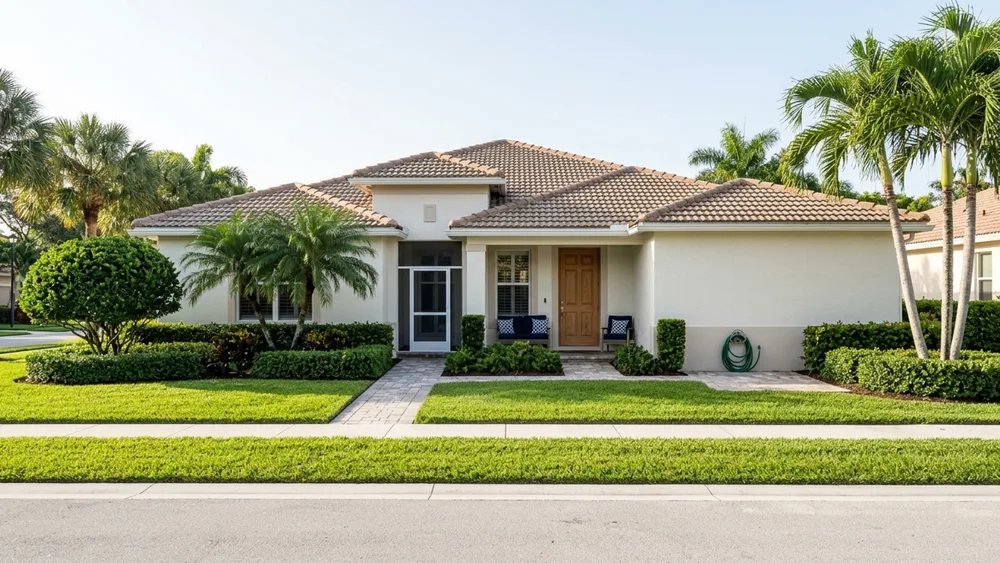
A property manager handles the daily work of a rental on the owner’s behalf: tenant screening, the lease, rent collection, maintenance, turnover, inspections and owner reporting. The written agreement decides exactly which of those tasks a given manager covers.
On this page
- What a property manager handles for owners
- Questions to settle before you hire anyone
- The core services to look for in an agreement
- How seasonal turnover changes the work
- Where owners and managers often misunderstand each other
- Which questions belong to other professionals
- What to gather before your first conversation
What a property manager handles for owners
A property manager acts on the owner’s behalf for the day to day work of a rental home. That usually means marketing the home, screening applicants, preparing and renewing the lease, collecting rent, coordinating maintenance and repairs, handling move in and move out, inspecting the home and reporting back to you. Exactly which of those tasks a particular manager covers depends on the agreement you sign, so the first step is always to see the full list in writing.
This matters because a rental home in Boca Raton keeps working while you are elsewhere. Someone has to answer when a tenant calls about a leaking faucet, when an association asks for paperwork, or when a lease is coming up for renewal. If you own the home from out of state, or you spend only part of the year in Florida, the manager becomes the person who keeps all of those moving parts in order while you are away.
Good management feels a lot like good hospitality: the guest notices only that everything worked. The planning, the checklists and the follow up happen quietly in the background. The rest of this guide walks through what to decide before you hire anyone, which services to look for, how seasonal renting changes the work, and which questions belong to an attorney, an insurance professional, a tax professional or your association rather than to a manager. Read it as a checklist you can return to whenever the arrangement needs a fresh look.
Questions to settle before you hire anyone
Before you compare managers, get clear on what you actually want from the arrangement. Some owners want to hand over nearly everything and simply review a statement. Others want to stay closely involved and only need help with screening and the lease. Your answers shape which services you pay for and which manager fits. Write them down now, because they become the yardstick for every conversation that follows and help you notice when an offer is polished but not quite right.
- Whether you want full management or help with only certain tasks
- Whether the home will be leased seasonally, annually or a mix of both
- How involved you want to be in approving repairs and new tenants
- How often you would like updates and in what format you prefer them
The core services to look for in an agreement
Most management agreements are built from a familiar set of services, but the details inside each one vary. When you review a proposal, look for each item below and ask how it actually works in practice: who does the task, how quickly, and what you see afterward. A service named in a brochure is not the same as a service described in the agreement, so match each promise to the written terms before you sign anything.
- Tenant screening with written criteria applied the same way to every applicant
- Lease preparation, signing and renewals, coordinated with your own attorney
- Rent collection, late payment follow up and clear monthly owner statements
- Maintenance coordination, vendor selection and a plan for after hours repairs
- Move in, move out and periodic inspections with photos and written notes
How seasonal turnover changes the work
In South Florida, many owners lease seasonally rather than for a full year, and that changes the job considerably. Each new arrival means a fresh turnover: cleaning, restocking, checking the inventory, confirming that appliances and cooling work, and resetting the home for the next stay. A manager who handles annual leases well may not be set up for that rhythm, so ask directly how often they turn homes over and what their checklist covers.
Seasonal renting also brings the association into the picture more often. Many condo and community associations have their own process for each new tenant, and some limit how often or how briefly a home may be leased. Ask any manager how they handle association applications and approvals, then confirm the actual rules with the association itself and its governing documents. The manager should work within those rules, not around them.
The empty months matter too. When a seasonal home sits empty, someone should be checking on it, watching for leaks or humidity, and preparing it before storms. Ask what an inspection between stays includes and how you hear about what was found. Whether your coverage changes while the home is vacant or leased is a question for your insurance professional, so bring that conversation in early rather than after a claim.
Where owners and managers often misunderstand each other
Most frustration between owners and managers comes from expectations that were never written down. An owner assumes the manager will approve only small repairs without calling, while the manager assumes the opposite. An owner expects a photo report after every turnover, while the manager sends a brief note. None of this is anyone’s fault until it is discovered at the worst moment, which is why the agreement should spell out approval limits, reporting and response expectations in plain language.
The other common surprise is the end of the relationship. Ask how the agreement can be ended, what happens to tenant deposits and records if you change managers, and who holds the keys, codes and vendor contacts. A clean handover protects you and the tenant. Have a qualified Florida real estate attorney review those terms before you sign, since the details of deposits and notice are legal questions rather than management preferences.
A useful test for any owner: picture the worst week of the year for the home, then ask the manager exactly what happens that week and who calls you.
Which questions belong to other professionals
A manager runs the daily operation, but several important questions sit with other people. Lease terms, notice requirements, deposits and Florida landlord law belong with a qualified Florida real estate attorney. Leasing permission, tenant approval and building rules belong with the condo or community association and its governing documents. Insurance for a leased home, including liability and coverage between stays, belongs with an insurance professional. Rental income and deductions belong with a tax professional. A manager who knows these boundaries will say so plainly and point you to the right person.
Shayna Franco works with owners who rent out their homes in Boca Raton and southern Palm Beach County, and can help you think through how management fits your plans, how the home is presented to renters and what to ask each manager you interview. Keeping every question with the right source keeps the whole picture accurate, and it means you are never relying on a manager for advice that belongs to an attorney or an insurance professional.
What to gather before your first conversation
Before you meet with any manager, pull together the basics about the home and your plans. Gather the association documents and rules, recent repair and maintenance records, the warranty and service details for major systems, and any prior lease you used. Note whether you want seasonal tenants, annual tenants or both, and how involved you want to be. Having that folder ready makes every interview more specific and far easier to compare. It also shows each manager that you are an organized owner who expects the same care in return.
Then make a short list of the questions that matter most to you: how screening works, how repairs are approved, how often you receive reports, how turnovers are handled and how the agreement ends. Ask every manager the same questions in the same order and write down the answers. Side by side, the differences become clear quickly, and you can decide based on fit rather than on whoever spoke last or sounded most confident.
If you are weighing whether to rent out a Boca Raton home, or you already do and want a calmer arrangement, bring the question to Shayna. Together you can walk through how you want the home used, what kind of management fits, and which details to confirm with your attorney, your insurance professional, your tax professional and your association before anything is signed. Every question is welcome, and you will leave knowing your next step.
This article is general information about buying, selling and renting homes in Boca Raton and southern Palm Beach County. It is not legal, tax, lending, insurance or inspection advice and does not predict prices or promise results. Confirm 55+ community rules and age requirements with the association and a qualified legal source, flood zones and coverage with official sources and insurance professionals, financing with a lender, property condition with a licensed home inspector, and lease terms with a qualified legal source. Shayna Franco, ONE Sotheby’s International Realty.

Written by